

CO₂ logistics

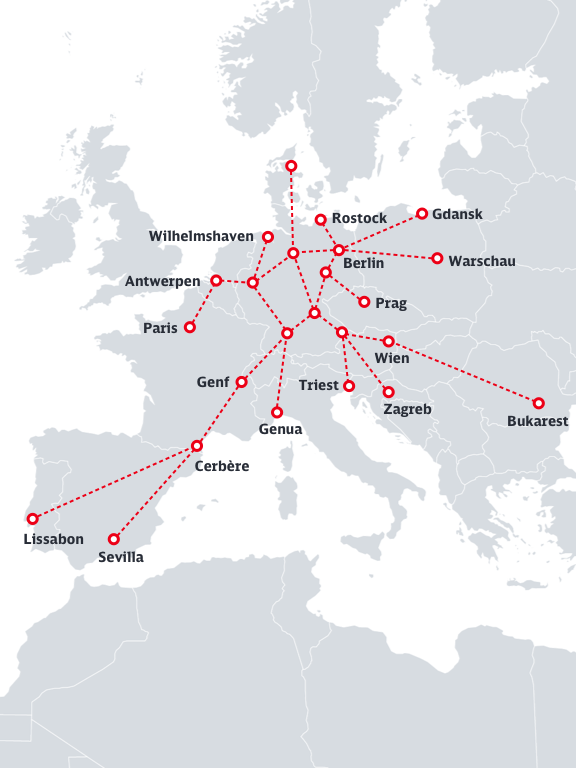
Landkarte mit den Netzwerkpunkten der DB Cargo für die Wasserstoff-Relationen in Europa

CO₂ logistics

The advantages at a glance

  • A solution available at an early stage for transporting CO2 using the existing European rail network
  • Flexible, demand-driven scaling of transport volumes
  • Connection of decentralised industrial sites – including those outside future pipeline corridors
  • Direct linking with CO2 hubs, ports, pipelines and storage and utilisation sites
  • Safe transport based on many years of experience in dangerous goods logistics
  • Cross-border transport concepts with a limited number of interfaces
  • Integration into multimodal chains combining rail, pipeline and ship
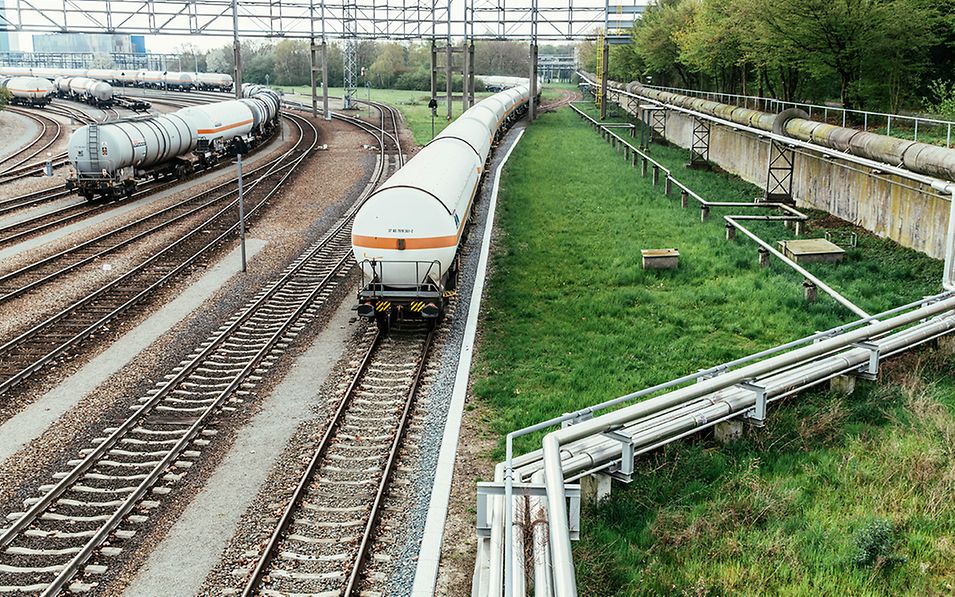
Tank cars at the rail siding

Carbon management needs logistics

In sectors such as the cement and lime industries or waste management, certain CO2 emissions cannot be completely avoided. In future, this CO2 is to be captured directly at the industrial facility before it enters the atmosphere. It must then be transported for utilisation or permanent storage. Only an end-to-end transport chain makes Carbon Capture, Utilisation and Storage – CCUS for short – possible. Efficient logistics is therefore a key component in the decarbonisation of industry. 

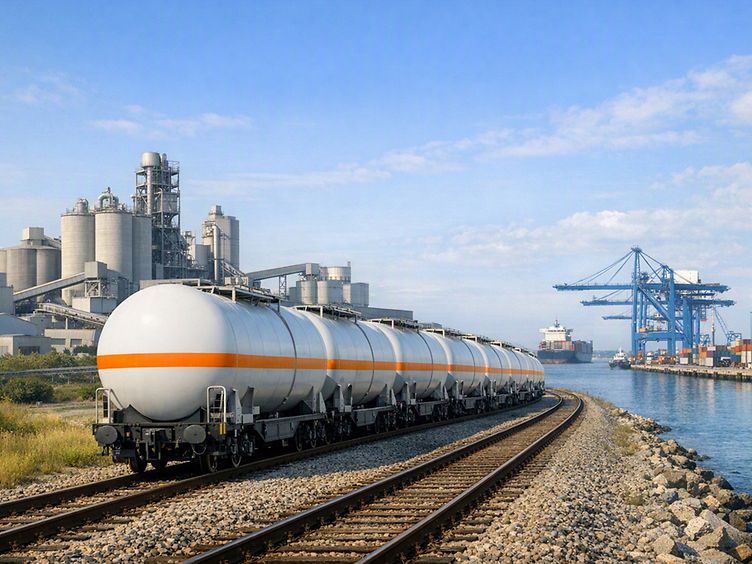
AI-generated image: Tank cars on a railway siding

Rail brings speed to the ramp-out

CO2 pipelines will play an important role in the long term. However, planning, approval and construction take time, and not every industrial site will be directly connected to a pipeline network. This is where DB Cargo comes in: we use existing infrastructure, can connect individual industrial sites flexibly and can scale transport capacity gradually in line with actual demand. Rail therefore complements future pipelines and enables flexible transport solutions from the early stages of market ramp-up.

This flexibility is crucial, particularly in the early market phase. While pipelines require high, long-term guaranteed volumes, DB Cargo is already able to  develop specific CO2 logistics concepts and expand transport capacity as volumes increase. The key factor, therefore, is not “rail or pipeline”, but their intelligent interplay.

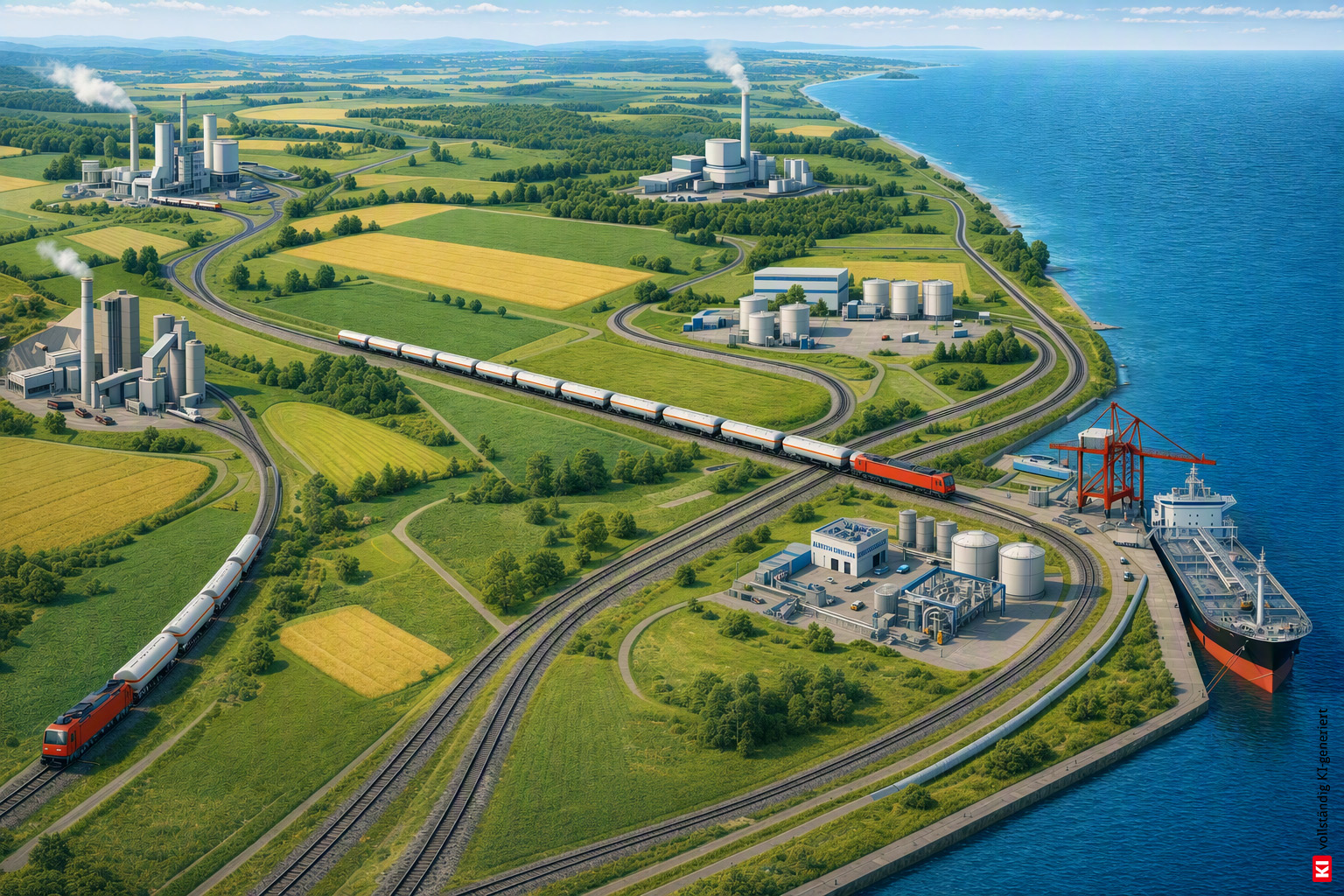
AI-generated image: A busy, detailed scene featuring various factories connected by railway tracks.
Copyright: DB Cargo / "AI-generated image"

 How CO₂ is transported by rail

For transport, captured CO2 is liquefied and loaded into specially insulated tank wagons. DB Cargo transports the liquefied CO2 from the industrial facility to a hub, port, pipeline access point or directly to a storage or utilisation site. Depending on the transport chain, the CO2 is temporarily stored, transhipped or prepared for onward transport by ship or pipeline.
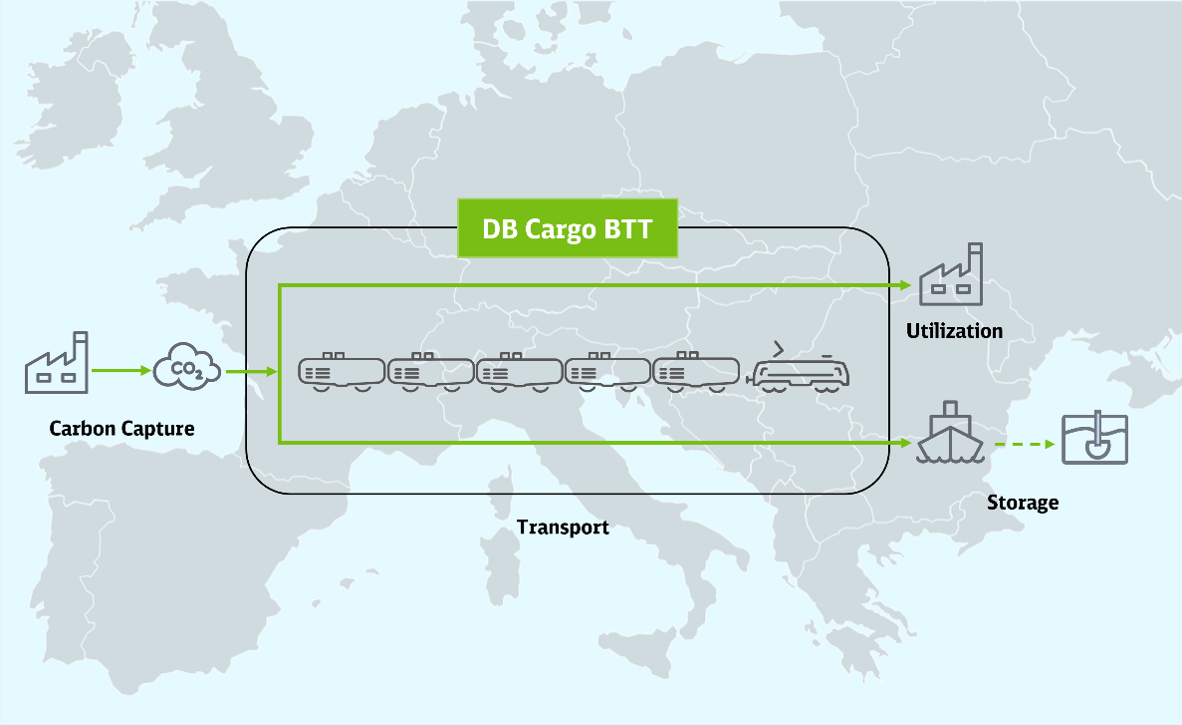
Our solution for your CO2 logistics

DB Cargo supports companies in developing safe, scalable and cross-border CO2 logistics chains. Together, we plan routes, forecast volumes, assess private sidings and transhipment points, and develop suitable operating and wagon concepts. In doing so, we combine our experience in dangerous goods and bulk logistics with our European network and our expertise in integrating different modes of transport into an end-to-end solution. Transport capacity can be built up in line with demand and expanded as CO2 volumes increase.

Do you have any questions? We are happy to help.

Porträt Bjarne Regenbrecht

Bjarne Regenbrecht

Project Manager Hydrogen Logistics